Our Achievements
At NOSD Pakistan, we believe that real change is measured by real impact. Over the years, our efforts have reached thousands of lives through successful projects in education, health, disaster relief, and community development. This page highlights the milestones we’ve achieved with the support of our donors, volunteers, and partners.
Our Key Achievements
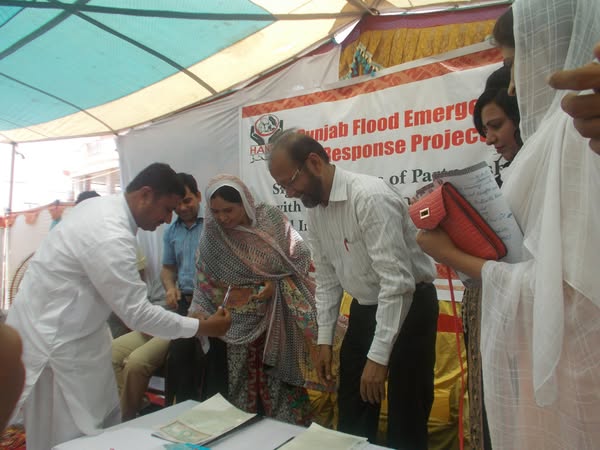
- Provided critical emergency aid during floods, pandemics, and natural disasters, supporting more than 1500 affected families.
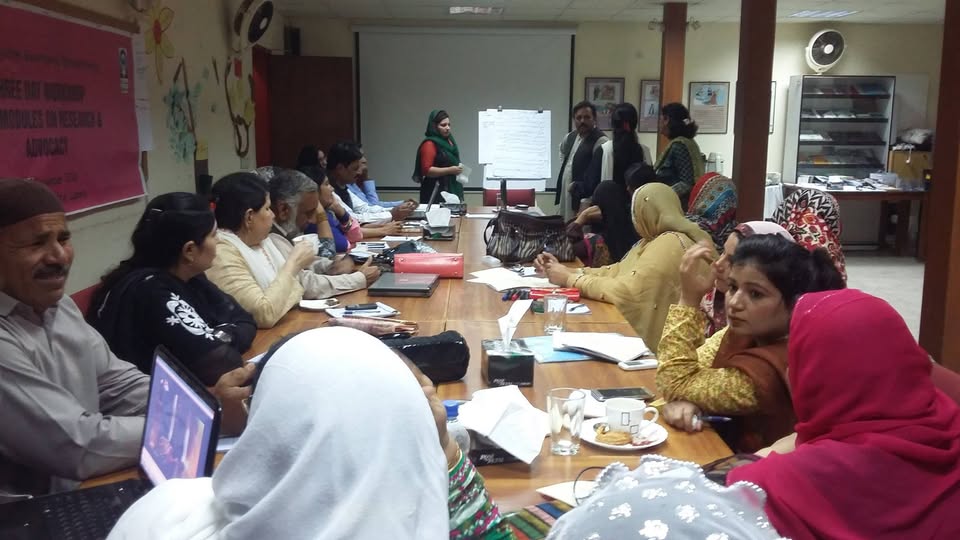
- Trained over 1,250 young people and women in vocational and life skills, enhancing their employability and socio-economic prospects.
- Collaborated with local government and international donors to develop community resilience projects, fostering sustainable development.
- Improved access to clean water and sanitation in Layyah and Muzaffargarh by installing hand pumps and constructing over 1,100 ft of drainage infrastructure, benefiting numerous families.
- Equipped 1350 women with leadership and civic engagement skills, promoting women’s participation in decision-making processes.
- Provided 1260 marginalized women with vocational training, enabling them to achieve economic self-sufficiency.
- Brought primary education to 3,000 out-of-school children across 7 districts, bridging the educational gap.
- Educated 915 children in basic literacy and child rights awareness, supporting their holistic development.
- Reached over 17,500 individuals through comprehensive education, health, and relief initiatives.
Summary of Previously Implemented Projects:
Installation of Hand Pumps and Construction of Sanitation Infrastructure
The project titled “Installation of Hand Pumps and Construction of Sanitation Infrastructure” was implemented in Layyah district over a period of three months, from January to April 2021, with the generous support of Hands Pakistan. Aimed at addressing the urgent need for clean water and improved sanitation in under-served communities, the initiative focused on practical, high-impact solutions under the WASH (Water, Sanitation, and Hygiene) sector.
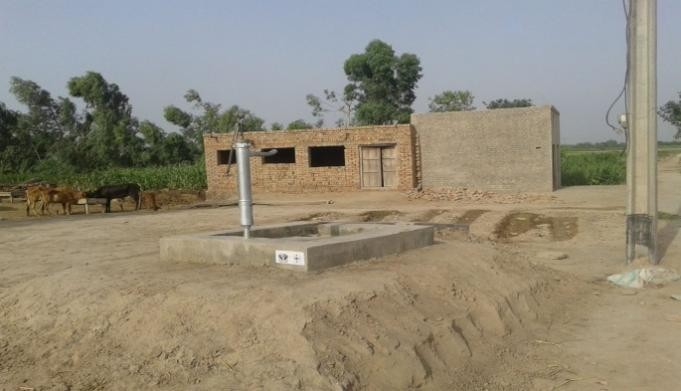
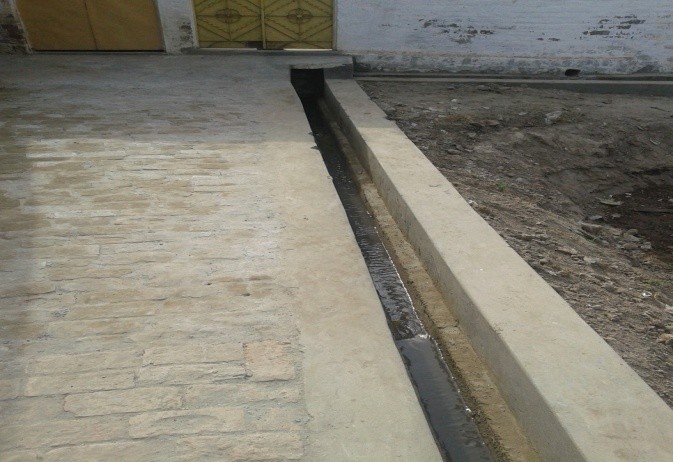
As part of the intervention, 20 hand pumps were installed in water-scarce areas, providing reliable access to safe drinking water for numerous families. In parallel, a 750-foot-long sewerage drain was constructed to tackle local sanitation challenges, reduce the prevalence of stagnant wastewater, and improve public hygiene. The combined impact of these efforts significantly contributed to lowering the risk of waterborne diseases, enhancing community health, and promoting safe hygiene practices. The project not only addressed immediate infrastructural needs but also laid the foundation for long-term improvements in the well-being and quality of life of the beneficiary communities.
Ujala Network Phase II
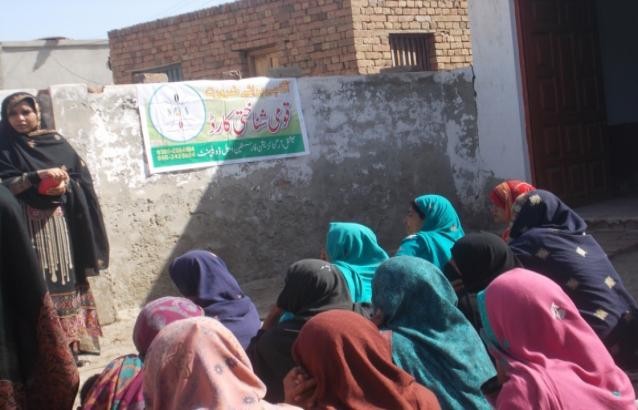
The Ujala Network Phase II project, supported by Awaz Foundation, was implemented in Muzaffargarh over a span of 14 months, from August 2019 to March 2020. Designed under the Women Empowerment sector, the project aimed to strengthen the leadership abilities and socio-economic involvement of women in marginalized communities. Through a combination of capacity-building workshops, community mobilization initiatives, and targeted advocacy activities, the project directly engaged 150 women, equipping them with the knowledge, confidence, and skills needed to assert their rights and play a more active role in local decision-making processes. By promoting awareness on gender equality, legal rights, and civic participation, the initiative created a platform for women to influence community development, challenge discriminatory norms, and become agents of positive change within their own households and beyond
Iqra Project
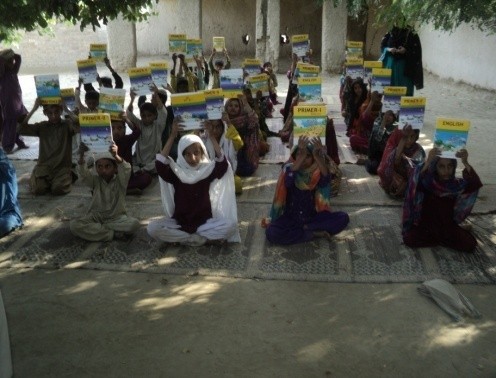
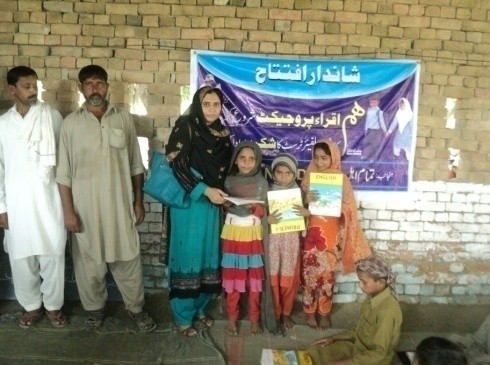
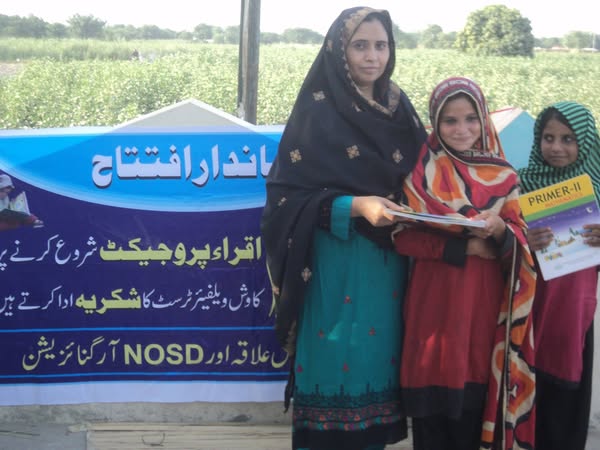
The Iqra Project, supported by Kawish Welfare Trust, was a comprehensive educational initiative implemented across seven districts of South Punjab—Muzaffargarh, Layyah, DG Khan, Rajanpur, Lodhran, Multan, and Bahawalpur—over a period of three years from 2016 to 2019. Operating under the Education sector, the project was designed to address the alarming number of out-of-school children (OOSC) in these underserved regions. By establishing informal learning centers and mobilizing communities, the project successfully enrolled 3,000 children into primary education, many of whom had previously lacked access to any form of schooling. The initiative placed strong emphasis on community involvement, working closely with parents, local educators, and stakeholders to ensure long-term retention and learning outcomes. By targeting some of the most marginalized areas in the province, the Iqra Project played a vital role in reducing educational disparities and advancing the goal of universal primary education in Pakistan.
Women Empowerment through Skills Enhancement
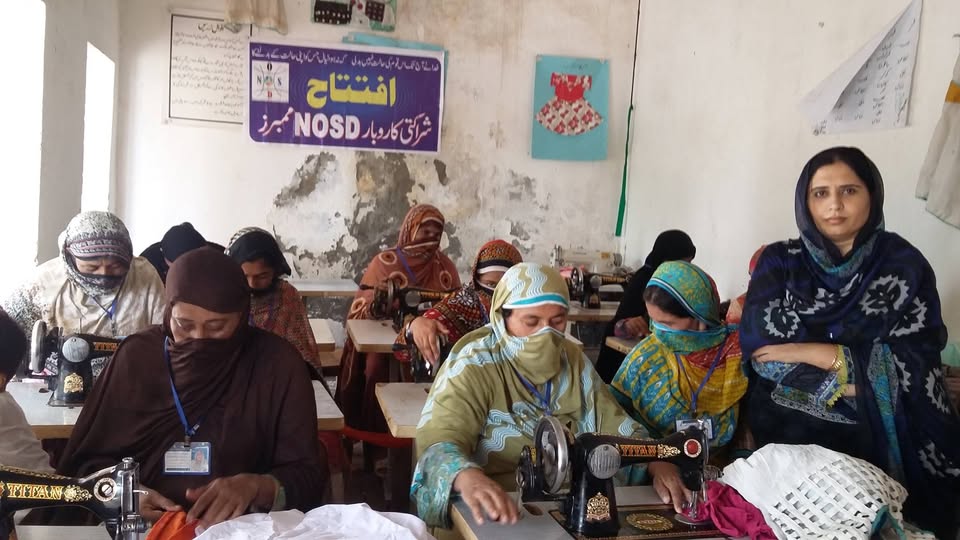
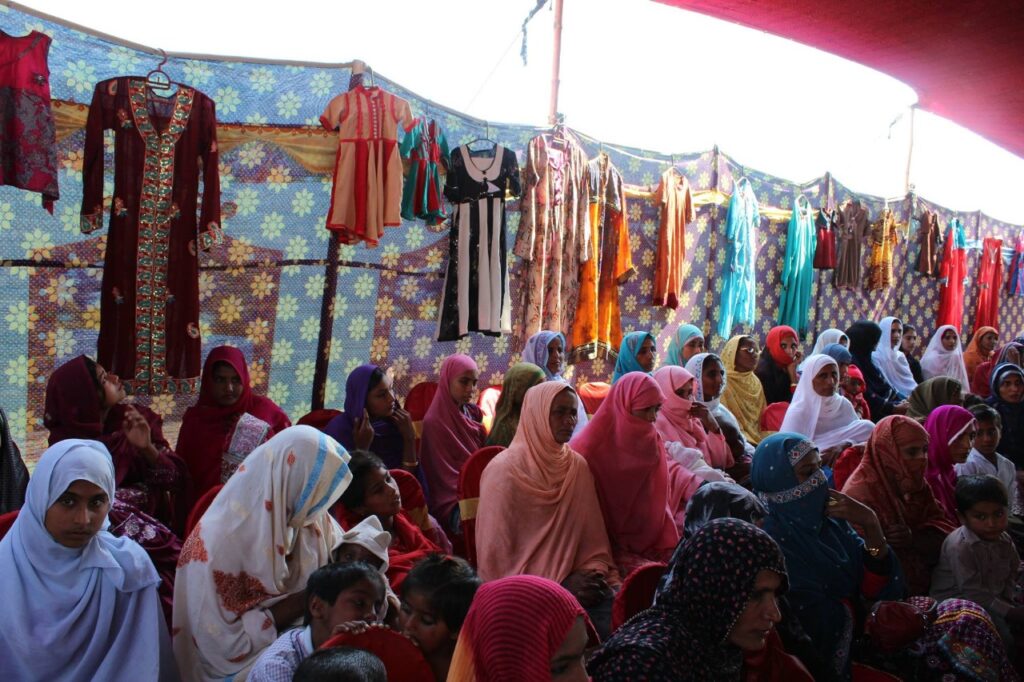
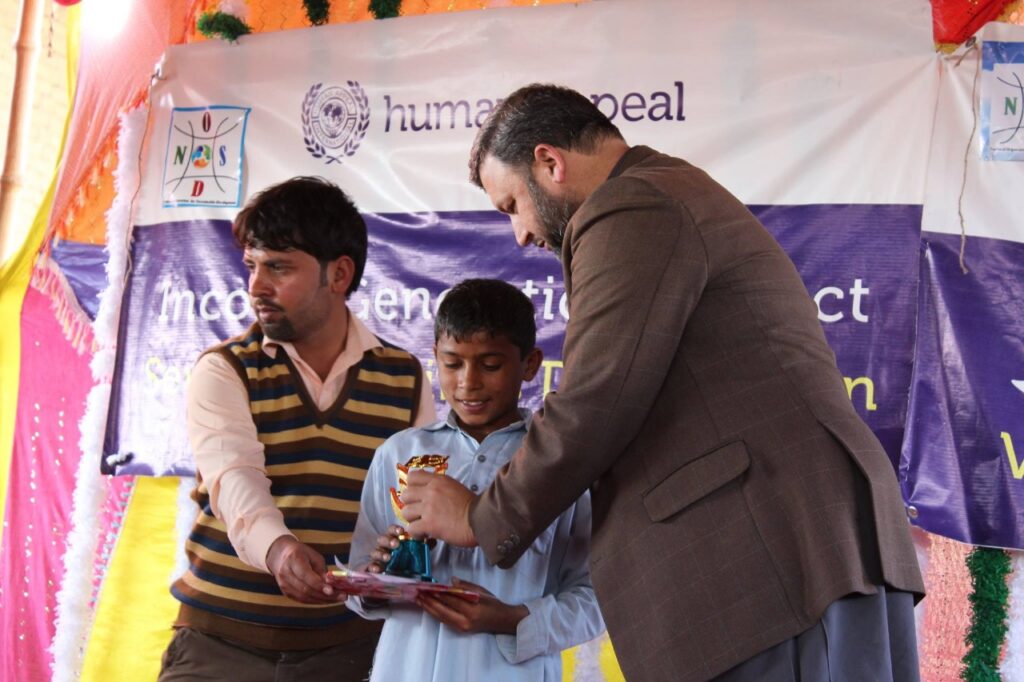
The Women Empowerment through Skills Enhancement project was a livelihood initiative implemented in Muzaffargarh, with the support of Human Appeal, over a six-month period from September 10, 2017 to February 10, 2018. The project targeted economically disadvantaged women, aiming to build their capacity through vocational training and practical skill development. A total of 60 women participated in the program, receiving hands-on training in sewing, embroidery, handicrafts, and other income-generating activities. By equipping these women with marketable skills, the project enhanced their ability to earn an income, thereby promoting economic self-reliance and reducing their financial dependence on male family members. Beyond the economic benefits, the initiative also fostered self-confidence, decision-making capacity, and social mobility, allowing participants to play a more active and empowered role within their households and communities.